
Resolution
(Flash Fiction)

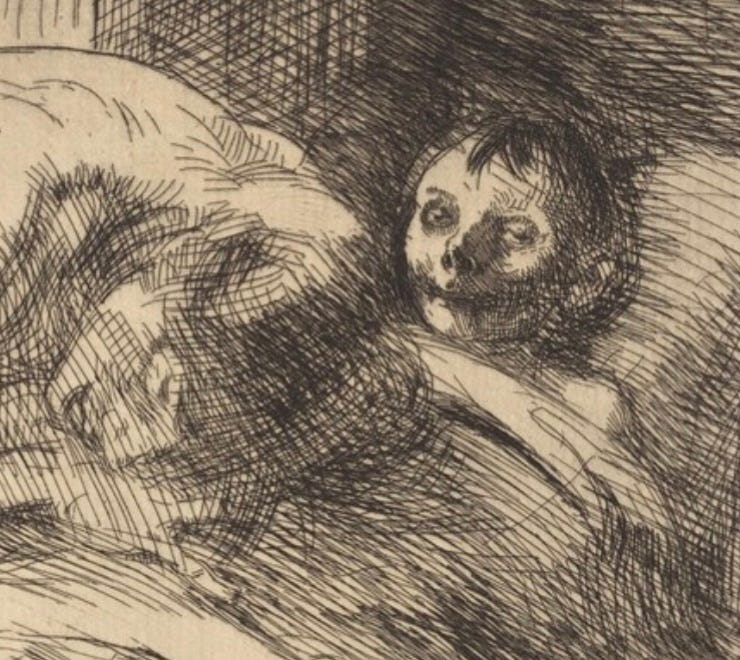
“What do you think is happening?"
More and more children were turning up at the clinic just before their tenth birthday, or shortly after, showing the same tell-tale symptoms, the bluish tinge to the fingers, the shortness of breath, mild at first, growing worse. What was causing it, and what to do about it?
Vivian was the most experienced consultant in the whole region. Her schedule was packed with parents panicked by what they observed, or nervously, defensively, saying, "She was always delicate, I don't think this is much of a change."
Vivian would explain the symptoms, the possible treatments. the expected outcome, with mixed success.
She worried less about the parents who came to her clinic, than the ones who would not see her at all. Vivian had begun to hear about families who would conceal the symptoms, hoping they would resolve. Worse still, unscrupulous people had begun to peddle remedies which did nothing but delay consultation, and sometimes made the symptoms worse.
Vivian did not respond immediately to her new assistant's question, "What do you think is happening?"
“Do you have the schedule?” she asked instead, looking over the morning appointments. Waiting a moment, she returned to the earlier question, “It’s hard to determine a single cause. It is a complicated subject.”
She had her theories, of course. based on observation and reason, but she was reluctant to talk about them publicly.
By this point. Vivian had a good idea what was causing the rising number of cases, but what to do about it was a different question.
She had hinted at her theory to her district supervisor, a few months before, and the other woman's response had left her doubting herself, considering the wisdom of sharing her thoughts. She had felt the potential threat in her supervisor’s response, telling her to be careful of the clinic’s reputation.
Vivian had realized that people, for the most part, did not want to know the truth, not when it demanded action from them. It was more comfortable to talk about the possibility of effective treatment, just around the corner. Parents preferred to believe in the possibility of treatment, rather than the necessity of prevention. Moreover, there was no profit in prevention.
When Vivian had first started working, the options for treatment were limited: now a whole industry had grown up around the condition, not necessarily effective in terms of the final outcome, but entrenched in the psyche of the community.
After the strange reaction from her supervisor, Vivian had shared her theory with her best friend, over drinks one evening, describing at length both the hypothetical cause and the means of prevention. Her friend had allowed her to talk without interrupting, finally saying, "You expect people to listen?"
Did Vivian expect people to listen? Less and less every day, as she watched parents skirt around her suggestions for keeping future children safe. It no longer surprised her, but it daily increased her dilemma. She was bothered by the children she saw, who might have been helped if people had behaved differently in the past. When she thought about them, she felt motivated to speak out, but most of the time she felt powerless, unsure how to confront the system. Vivian began to wonder if the solution would end with her.